A Simple Guide for Every Parent
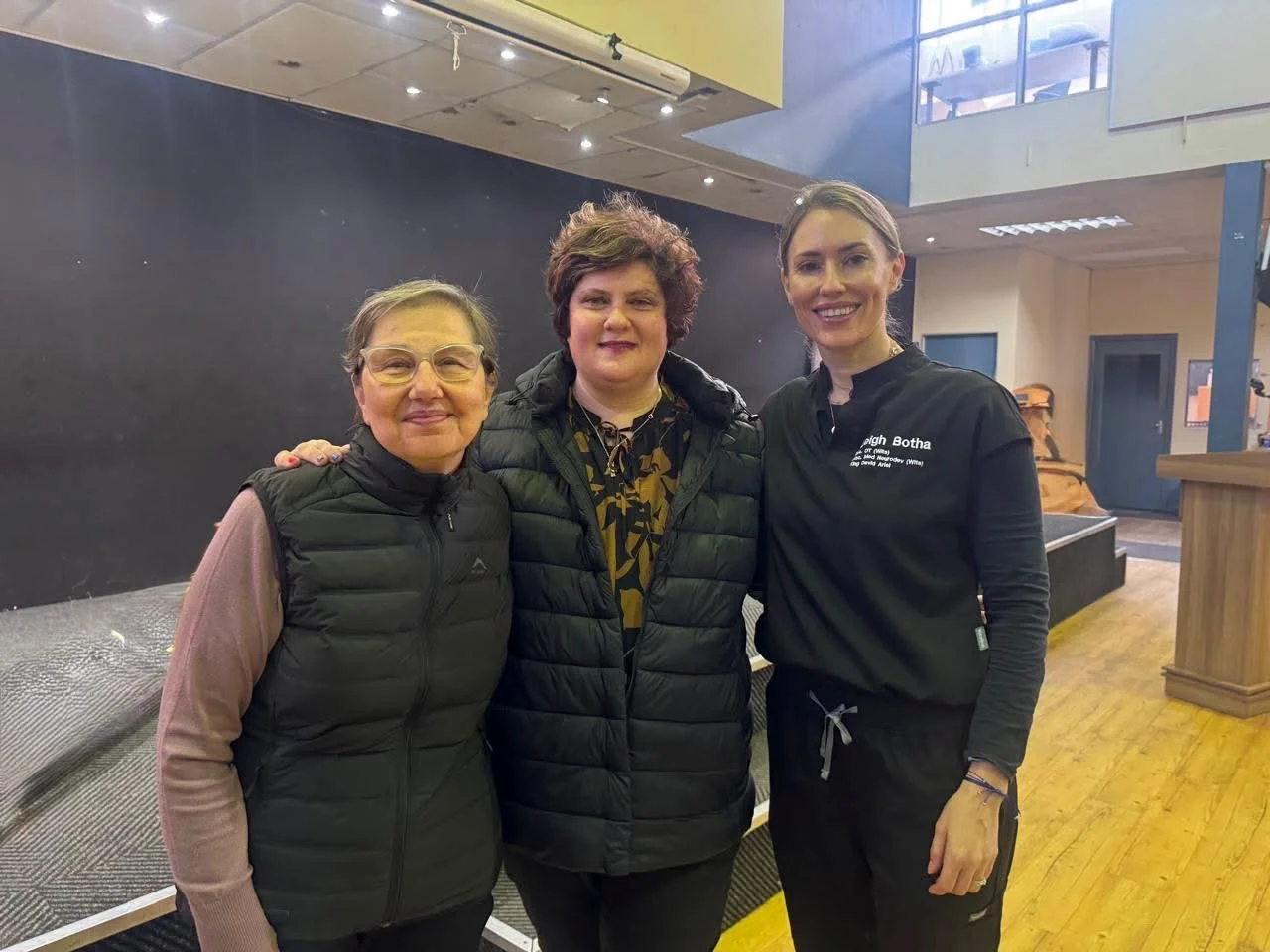
I recently spoke at King David Ariel School about helping children learn and grow. Parents asked me the same question over and over: "Am I doing enough? Is my child okay?"
I want to answer you right now: Yes. You're doing enough. Your love and attention matter more than you know.
Your Child's Brain is Building Right Now
Think of your child's brain like a house being built. Every time you talk to them, read to them, play with them, or hug them, you're laying bricks. You're building the foundation.
It's not about expensive toys or special programmes. It's about you. Your voice. Your presence. Your love.
That's what builds brains.
If Your Baby Was Born Early
Maybe your baby came early. Maybe they spent time in hospital. Maybe you were terrified.Here's what you need to know: Your baby isn't behind. Their brain is catching up.
The One Thing That Changes Everything: Corrected Age
Don't count your baby's age from their birth date. Count it from their due date.
Example: Your baby was born 3 months early. They're now 12 months old. But their "corrected age" is 9 months. They should be doing what a 9-month-old does, not a 12-month-old.
Use corrected age until about age 2. This stops unnecessary worry.
A mum came to me worried her baby wasn't walking at 14 months. But the baby was born 3 months early. At her real age (11 months), babies don't usually walk. A month later, this baby was walking. Problem solved.
When Children Have Experienced Hard Things
Some children go through difficult things. Neglect. Abuse. Losing a parent. Violence in the home. Parental addiction.
These aren't the child's fault. And they change how the child's brain works.
Understanding the Alarm System
When a child experiences scary things repeatedly, their brain's alarm system gets stuck on. It goes off constantly, even when there's no danger.
Imagine a fire alarm that goes off every time you cook. You'd be stressed all the time. You'd jump at every sound. That's what happens to these children's brains.
They're not being naughty. Their nervous system is trying to protect them. They're scared all the time, even when they're safe.
What You Can Do
Keep them safe. Use the same routines. Be predictable. Calm environments help.
Don't punish them. They need safety, not consequences.
Use simple words. "We're going to eat now" helps their brain prepare.
Be patient. Healing takes time.
Get help from a therapist trained in trauma if you can.
The Good News: Brains Can Change
This is the most important thing I'll tell you:
Your child's brain is not fixed. It can change. It can heal. This is real science.
A baby born early? Their brain catches up.
A child who experienced trauma? Their brain can learn to feel safe again.
Your child developing differently? Change is still possible.
Young brains respond to new experiences. They can rewire themselves based on what they encounter. If your child experiences safety, love, and positive connections, their brain adapts to that.
Ages 0-3 are the most important years. If your child is young, this is your moment to make a difference.
Four Things Your Child Needs
1. Someone Who Loves Them
Your child needs at least one person who is always there, who loves them, and who notices them.
This might be you. A grandparent. An aunt. A teacher. A family friend.
They don't need to be perfect. They just need to show up and care.
If you're reading this: you're probably that person for your child. Even if you're struggling. Even if you're alone. Even if you make mistakes. You matter more than you realise.
2. Help Learning to Calm Down
All kids get upset. But some struggle more to calm down.
You can teach this.
Name the feeling: "I see you're angry. That's okay."
Create a calm corner: Somewhere quiet they can go when upset.
Teach simple tricks: Deep breathing. Counting. Quiet music.
Show them: When you're upset, show them how you calm down. "I'm frustrated. I'm taking deep breaths."
3. Times When They Succeed
Every child needs to feel like they can do something.
For a child with delays, success might look small. Maybe they can't walk but they can roll. Maybe they can't talk much but they can make sounds.
Find where they can win. Celebrate it.
"You tried so hard! Great effort!"
Break big goals into tiny ones. Instead of "learn to talk," celebrate "made a new sound today."
4. A Place Where They Belong
Children need to feel they're part of something. Part of a family. Part of a community. Part of a group at school or church.
A child who feels like they belong is stronger. They bounce back better.
What You Can Do Today
Right now:
Talk to your child
Notice one thing they did well
Spend 15 minutes together calmly
Give them a hug
This week:
If born early, check you're using corrected age
Find your child's strengths
Create a calm space in your home
Tell someone if you're struggling
This month:
If your child experienced trauma, talk to your paediatrician who can guide you to the right therapists
The Most Important Things to Remember
Your child is not broken. Even if they develop slowly. Even if they've experienced hard things. They're not wrong.
You're doing better than you think. Seriously. The fact that you care enough to read this means you're a good parent.
Your child's brain can change. It's not too late. It's never too late. Healing and growth are possible.
You need help too. If you're exhausted, guilty, or overwhelmed, that's normal. Please find support. A friend. A therapist. A parent group. You can't pour from an empty cup.
Final Words
Every child can thrive. Every child deserves someone who believes in them. Every brain can grow and change.
Whether you're worried about your premature baby, concerned about your child's learning, or supporting a child through difficulty, you matter.
The love you give every day is literally building your child's brain. It's creating the foundation for their whole life.
Keep going. Your child is lucky to have you.
Remember:
🧠 Your presence matters
💙 Connection is everything
🌱 Brains can heal and change
✨ You are enough
💪 Asking for help is strength
If You Need Help:
Development concerns: Visit your paediatrician. They will assess your child and guide you to the right neurodevelopmental specialist and therapists if needed.
For Parents, Educators & Therapists in South Africa
Building Brains in the Storm: One child, one family, one moment at a time. 🧠💙🌱