Bringing a new baby home is filled with beautiful moments, but it also comes with a fair share of worry. Reflux can look alarming, but as a paediatrician, I often remind parents that spitting up is usually a laundry problem rather than a medical problem.
What is Infant Reflux?
In babies, the lower oesophageal sphincter, which is the muscle valve at the top of the stomach, is still developing. It acts much like a loose bottle cap. When your baby’s tiny stomach fills up, milk can easily travel back up into the food pipe. This is known as physiological gastro-oesophageal reflux, and it is entirely normal in healthy infants.
Positional and Practical Management
Before we ever look at medical interventions, simple structural and feeding adjustments can make a difference.
Keep them upright: Hold your baby in an upright position for at least 20 to 30 minutes after every feed. Gravity is highly effective here.
Smaller, more frequent feeds: An overfilled tiny stomach spills over easily. Try cutting feed volumes slightly and feeding a bit more often.
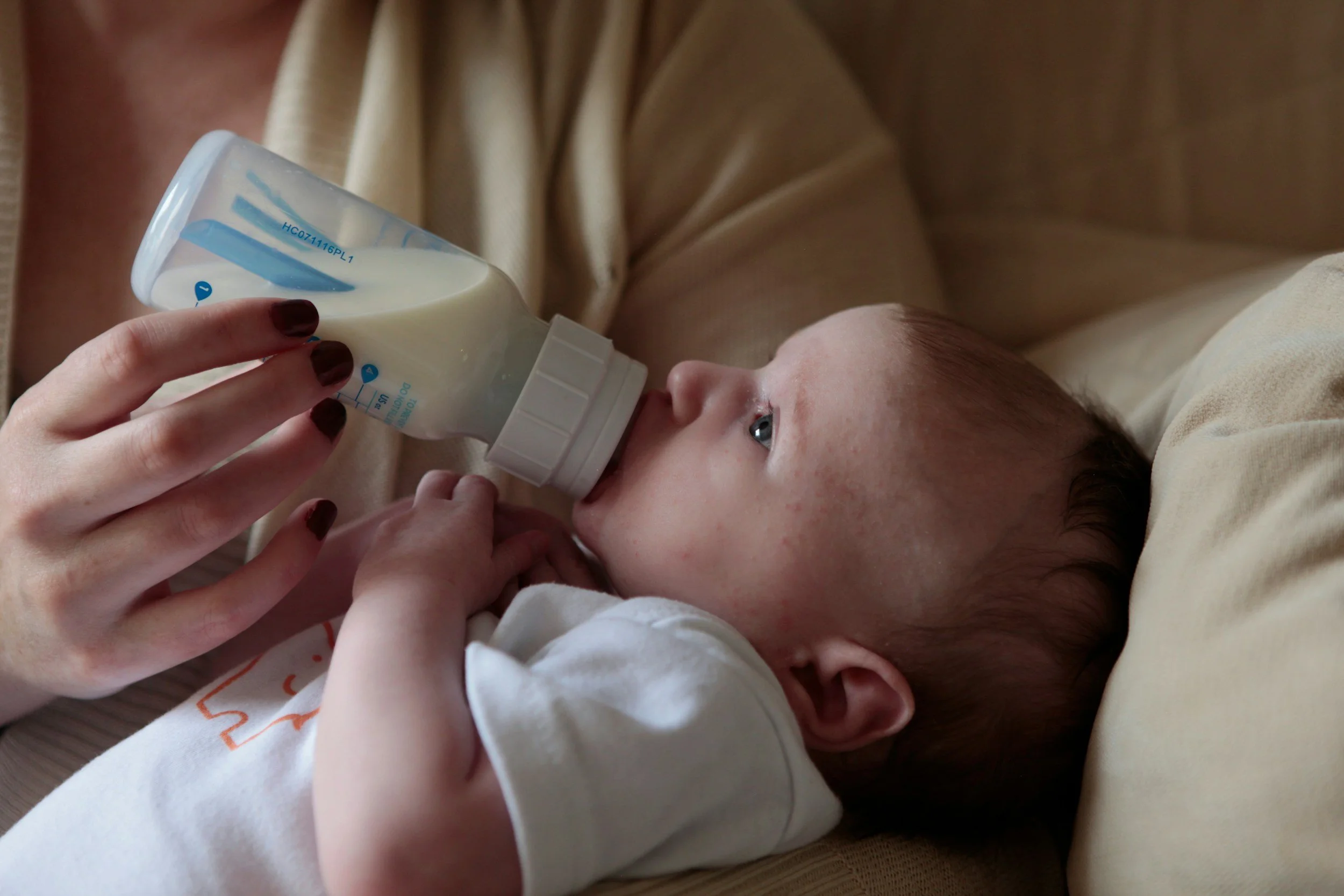
Paced feeding: If bottle feeding, keep the bottle horizontal so milk flows slowly, which prevents them from gulping down air. If breastfeeding, ensure a deep, secure latch.
Burp frequently: Burp your baby halfway through a feed and again at the end to release trapped air before it pushes milk upward.
Red Flags: When to Worry
While happy spitters grow, gain weight, and cross centiles perfectly well, Gastro-oesophageal Reflux Disease (GORD) is a less common variation where the stomach acid causes complications such as pain, respiratory issues, or poor growth. Please bring your baby in to see me if you notice:
Projectiles or forceful vomiting
Vomit that is green or yellow, which indicates bilious fluid
Your baby is refusing feeds or consistently crying in pain, arching their back during or immediately after a feed
Poor weight gain or crossing centiles downward on their growth chart
Take a deep breath. For the vast majority of infants, this is a developmental phase that resolves completely by the time they are sitting up, eating solids, and spending more time upright.
