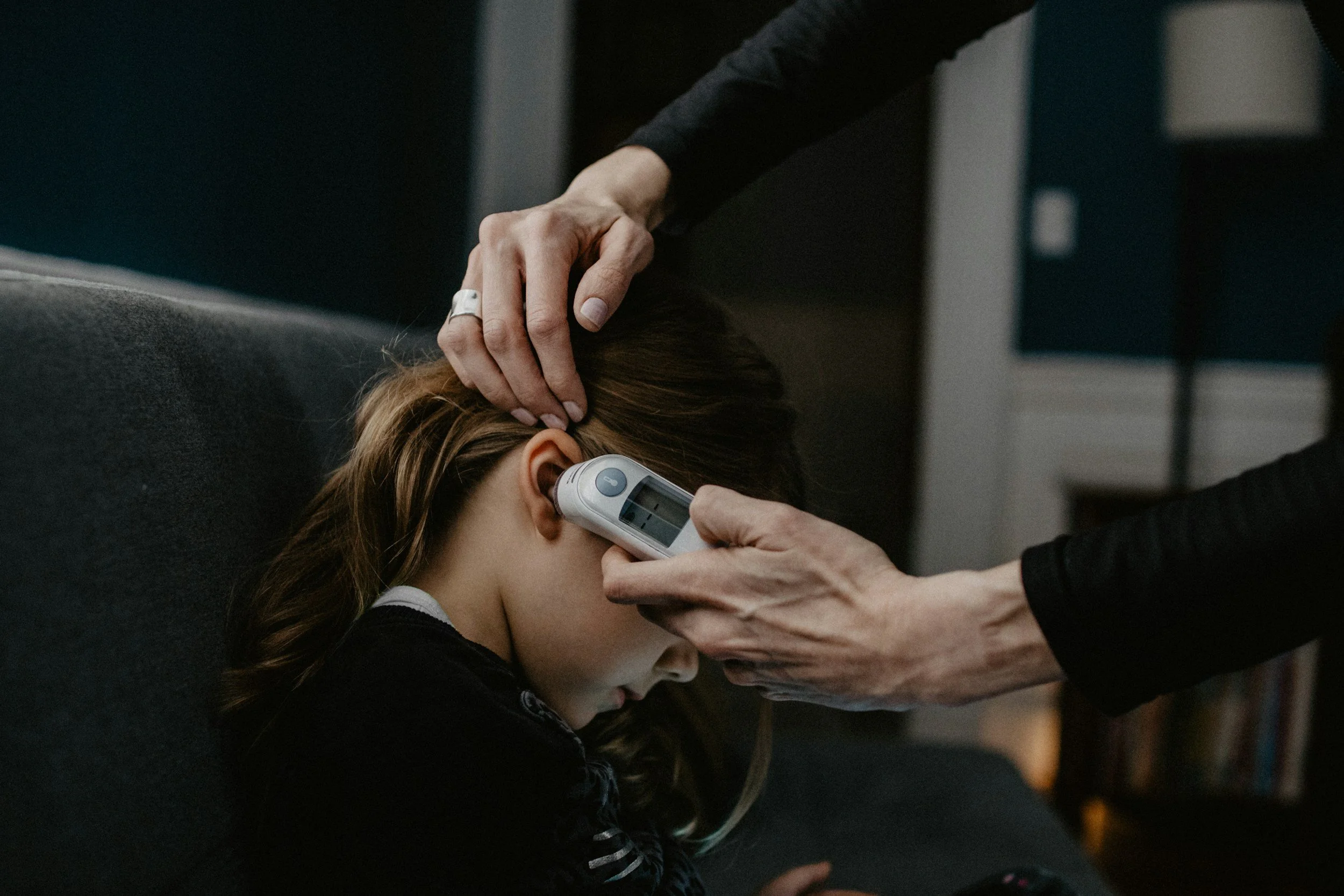
The crisp Highveld mornings have arrived in Johannesburg, bringing beautiful clear blue skies but also a familiar challenge. This year, Gauteng is experiencing an earlier and more aggressive surge of flu strains.
As temperatures drop, “3:00 AM Google anxiety” is natural. To help you navigate these coming months confidently, let’s examine the clinical facts and essential steps to keep your family safe.
The Prevention Blueprint
According to the American Academy of Paediatrics (AAP), clinical prevention is our most reliable defence. To protect your household, focus on these three non-negotiable points:
The Power of Annual Immunisation: For children aged six months and older, the annual flu vaccine is the gold standard. It’s not just about preventing a runny nose; it’s specifically designed to reduce the risk of severe illness and hospitalisation.
The 14-Day Antibody Window: Immunity isn’t instant. It’s a process. It takes about two weeks for the body to develop the necessary antibodies after vaccination. If you haven’t booked your family’s immunisations yet, do so immediately to ensure they’re protected before the peak of the surge.
Vigilance for High-Risk Groups: We must be particularly vigilant with children under five and those with underlying medical conditions. These children often have less respiratory reserve, making them more susceptible to complications during a severe flu season.
Clinical Red Flags: When to Call the Doctor
Most winter bugs can be managed at home with plenty of hydration and rest. However, as a parent, you’re the most important observer. Contact your doctor immediately if you notice any of the following indicators:
1. Laboured Breathing: Observe your child’s chest during breathing. If their skin pulls in between the ribs or at the base of the neck (a sign called retractions), they’re struggling to breathe.
2. Signs of Dehydration: In babies, dry nappies are a major warning sign. If they’re not drinking enough fluids to match their usual output, seek professional help.
3. Stubborn Fevers: Consult a doctor if a high temperature doesn’t respond to a correct age-appropriate dose of paracetamol or ibuprofen.
4. Extreme Lethargy: If your child appears unusually “floppy”, is too exhausted to drink or difficult to rouse, don’t wait until morning. These are signs of significant stress on their system.
Beat The Flu Together
The 2026 season might be challenging, but with clinical knowledge and early intervention, we can navigate it safely. Stay warm, keep fluids flowing and remain vigilant.
Our practice is here to support you every step of the way. Let’s make this winter defined by health and resilience rather than worry.
